Share
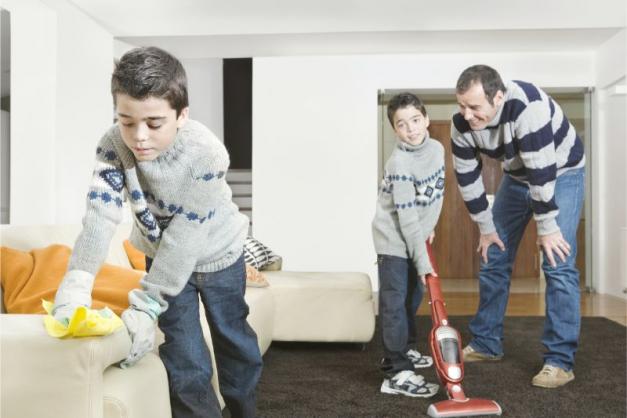
Getting into a home cleaning routine can make maintaining a tidy living space easier.
Daily Home Cleaning Tasks
- Clean high-touch surfaces and do a quick sweep of high-traffic areas.
- Do laundry (if needed)
- Wipe kitchen counters and tables after meals and run the dishwasher.
- Put away clutter and spot clean.
Weekly Home Cleaning Tasks
- Vacuum or mop floors in all rooms.
- Dust surfaces, including shelves and furniture.
- Clean bathrooms: wipe sinks, counters, mirrors, and toilets.
- Clean out the fridge.
- Change bed linens and towels.
Monthly Home Cleaning Tasks
- Clean kitchen appliances and cabinet fronts.
- Wash blankets and comforters
- Dust light fixtures and blinds
- Wash windows and mirrors thoroughly.
- Declutter closets and storage areas.
Seasonal Home Cleaning Tasks
- Wash curtains, windows and screens
- Wash shower curtain
- Launder pillows
Yearly Home Cleaning Tasks
- Clean rugs and upholstery
- Clean mattresses
- Deep clean rooms (ceiling fans, walls, baseboards, etc.)
- Organize storage spaces
- Clean chimney and fireplace (if applicable)
- Replace air filters (if applicable)
- Clean out gutters (if applicable)
Top Cleaning Tips
Create a Cleaning Routine
By assigning tasks to days of the week and focusing on one chore a day, it can be easier to get through the weekly tasks on an ongoing basis. Here's an example:
| Monday | Laundry (change sheets, wash & dry) |
| Tuesday | Laundry (fold and put away) |
| Wednesday | Kitchen (floors, microwave, refrigerator) |
| Thursday | Vacuum & Dust |
| Friday | Trash, Bathrooms |
| Saturday | Meal Planning (stick to the list when shopping!), Yard Work |
| Sunday | Rest |
Clean Efficiently
- Keep cleaning supplies in a portable caddy for easy access.
- Set a timer for each task to stay focused and finish quickly.
- Get the whole household involved—assign age-appropriate chores.
- Sweep, mop or vacuum from one corner of a room toward the exit to avoid recleaning.
- Follow detergent directions and fabric care labels when doing laundry for best results the first time.
Practice Prevention
- Keep clutter to a minimum. Having lots of stuff around makes cleaning harder and gives places for dust and allergens to collect.
- Wipe shoes on entryway rugs or mats to protect floors and carpets, and to catch dirt, dust, pollen and other allergens brought in from the outside.
- Keep bathroom and kitchen surfaces as dry and clean as possible to help control the growth of moisture-loving bacteria, mold and mildew.
- Leave shower doors and curtains open after use so shower walls can air-dry.
- Wipe up spills before they have a chance to dry and treat stains as soon as they occur.
- Promptly clean up crumbs and other food scraps after preparing or eating food.
- Put coasters under beverage glasses to prevent water spots and rings on wood surfaces.
- Use a daily shower spray on walls and shower curtains to keep mildew from growing.
Prioritize Hygiene
- Wash hands with soap and warm water regularly - to help stay healthy and keep dirt and germs off household surfaces.
- Clean and disinfect cutting boards and kitchen countertops before and after preparing food to help reduce the threat of foodborne illness.
- Clean the sink areas, toilet bowls, tubs and showers regularly to prevent the spread of germs, mold and mildew.
Last Updated: April 28. 2026