
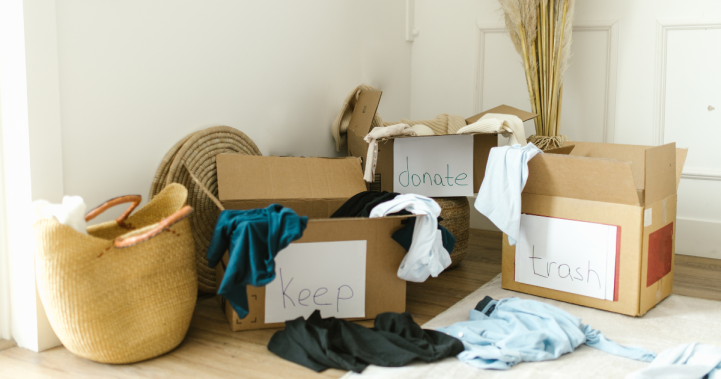
To declutter, you need to set a clear timeline, identify priorities and goals, choose a decluttering method and make progress by going room by room.
Clutter doesn’t just take up space in your home; it can weigh on your mind as well. As possessions accumulate, the task of cleaning and organizing may feel overwhelming. However, tackling clutter can be liberating, refreshing your living environment and benefiting others through donations and more sustainable living.
Decluttering Overview
What is decluttering?
Decluttering is the process of removing unnecessary or unused items from your living or working space. It helps create a more organized and comfortable environment.
Why declutter?
Decluttering can reduce stress, increase productivity and make your space easier to maintain. It often leads to a sense of accomplishment and greater peace of mind. A tidy environment can promote relaxation and improve your overall well-being.
Decluttering Tips
Go Room-by-Room
Instead of feeling defeated by the mess in your whole house, concentrate on one area at a time. It could be a whole closet or just a drawer. Success breeds motivation, so small victories help you keep going. Reward yourself and your family afterward to reinforce progress!
Group Like Items
Gather similar items together and evaluate whether you need multiples. For instance, do you really use several flower vases or pairs of rain boots? Keep your favorites, and donate, sell, or gift the rest. Perhaps cookbooks can go to a nearby school, or gently used toys to a nearby children’s hospital.
Make It a Family Project
Turn decluttering into a fun family challenge. Give everyone a basket or bag, set a timer, and see who fills theirs with the most unused items. This helps children understand the impact of passing toys and clothes on to others who will appreciate them. Just ensure kids stick to their own rooms to avoid sibling disputes!
Look For Storage Solutions
Before buying new storage containers, measure your space and contents, and bring your measurements when shopping. Repurpose what you already have: glass jars for office supplies, bins for shoes, laundry baskets for sports gear, or vases as umbrella stands
Decluttering Methods
The Four Box Method: Keep, Toss, Donate, Sell
As you sort, place each item in the appropriate box or pile. This simple, visual method helps streamline decision-making. Once you’ve decided what stays and what goes, find homes for your keepers and dispose of trash responsibly. You might sell unwanted items, but donating can be quicker and more rewarding. Many organizations pick up donations from your home.
To make this even more efficient, add the one-touch rule. Whenever you pick up an item moving forward, get in the habit of deciding the next step for that thing: put it away, toss it (recycling or trash), donate it or sell it. This will help keep clutter from recollecting.
The KonMari Method
Inspired by Marie Kondo, this method encourages keeping only items that spark joy or must be kept. Beyond tidying, it requires a desire to transform your space and treat belongings with care.
Swedish Death Cleaning
This Swedish tradition encourages decluttering before death to ease the burden on loved ones. The focus is on simple living and passing belongings on before they become a problem for others.
Decluttering FAQ
There are many places that would appreciate these donations after you make sure they're cleaned. Consider:
- Local libraries for books
- Child care facilities, preschools or children’s hospitals for toys (check for any recalls)
- Dress for Success for business attire
The following organizations happily accept clothing, toys, appliances, housewares and more, and may come to your home or office to pick them up:
If you itemize your taxes, be sure to get a receipt for your donation.
Try the “one in, one out” rule, and regularly review your possessions to ensure you’re not accumulating unnecessary items. For every new item that comes into your home – be it an article of clothing, decorative item, book or toy – get rid of a similar item. If you’re feeling really overrun, change the ratio: one in, two out.
Regularly scheduled sessions, such as monthly or seasonally, can prevent clutter from building up. Choose a schedule that fits your lifestyle and stick to it for best results. You can also employ the one touch rule where each time you pick up an item to put it away, you decide if it should be kept or if you should toss, donate or sell it.
Consider keeping only a few meaningful objects and finding creative ways to display or store them. If you have trouble letting go, take photos of items for memories before donating or discarding them.
Yes, many apps and digital tools are available to create checklists, track progress, and set reminders. These resources can make decluttering and organizing easier and more efficient.
Created: March 26, 2019
Updated: April 9, 2026