
Background
The Regulation of Polymer Chemistries
Polymers are molecules made up of many smaller, repeating structural units called “monomers” linked together in long chains or networks. Some examples include rubber, cellulose and polyvinyl alcohol (PVA). There has been an increase of state and federal governments regulating polymers in consumer products, and in some cases, conflating them with microplastics. It is important to distinguish that although all plastics are polymers, not all polymers are plastics. There is no universal approach to regulating polymers. Federal agencies like the U.S. Environmental Protection Agency (EPA) and Food and Drug Administration (FDA) have primarily focused on research while encouraging voluntary industry action. States have alternatively focused on targeted bans within specific product categories. These institutions often create broad definitions that do not capture the nuances of products containing polymers, which could ultimately be harmful to consumers by restricting or removing safe and effective products from the market.
Why It Matters
Protecting Product Performance and Consumer Benefits
Cleaning products rely on precise chemical formulations to achieve safety, effectiveness and consumer satisfaction. Polymers can play a critical role in achieving those standards. They are commonly used in cleaning products to control the release of fragrances, help cleaning agents adhere to soils and surfaces, adjust viscosity, inhibit scaling and more. Overly broad restrictions that do not differentiate between safe and hazardous polymers can compromise the quality and accessibility of products that support public health through proper hygiene.
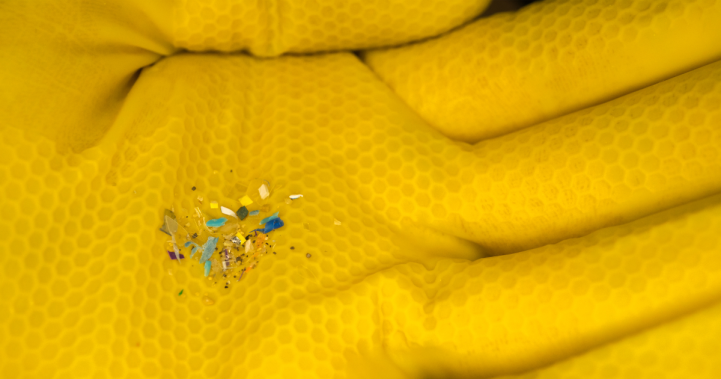
When regulating microplastics, it is important to separate primary (those that are intentionally added) from secondary (those that result from the unintentional breakdown of larger plastics). Although both should be regulated, they require different approaches due to the differences in how they originate.
What’s Next?
Advancing a Balanced, Science-Based Path Forward
Federal and state agencies continue to study the effects of polymers and microplastics while issuing new regulations. ACI remains committed to collaborating with policymakers to ensure that legislation addressing polymers and microplastics is both scientifically credible and environmentally responsible. ACI is working on refining the statutory definitions to clearly distinguish between persistent microplastics and polymers that are biodegradable or water-soluble.
Related Materials and Resources
- ACI Advises CA Department to Reconsider Overly Inclusive Definition of “Microplastics” [08/04/2025]
- Dishwasher Detergent and Rinse Aid Safety [04/30/2025]
- Setting the Record Straight on Dishwasher Pods and PVA: ACI’s Perspective on the TIME Article [09/30/2025]
- Laundry & Dishwasher Pods Explained | How They Work, Benefits & Safe Use [09/09/2025]
FAQ
Microplastics are tiny, water-insoluble synthetic polymer particles. They are problematic because they can enter the food chain and are challenging to remove from the environment. Textiles make up one of the bigger contributors to microplastic. Laundry detergent does not contribute to microplastics.
Laundry detergent does not contribute to microplastics. You may have heard mention of liquid laundry sheets, packets or pods as a source of microplastic, due to their film coating. The good news is that this isn’t true. You can continue to use these product options without concern. In fact, laundry pods and sheets are some of the more sustainable detergent choices because their concentrated nature reduces packaging as well as lowering the amount of energy used to ship them.
There is no single, uniform approach to regulating this broad, diverse category of chemistries. Federal agencies such as the EPA and FDA have focused primarily on research and voluntary industry efforts, while many states have pursued targeted bans using broad “microplastics” definitions.
ACI supports a science-based approach that distinguishes between hazardous, persistent microplastics and polymers that are biodegradable or water-soluble, ensuring regulations protect consumers, public health and the environment.
Polymers support product performance by enabling controlled fragrance release, protecting sensitive ingredients, improving adherence to surfaces, adjusting viscosity and enhancing overall product effectiveness and stability.