Laundry Basics
Updated: March 10, 2026
Go from beginner to pro with our step-by-step how to do laundry checklist, a guide to fabric care symbols on label tags and what they all mean, and an overview on how often you should wash certain items to maintain their longevity.
At its core, start doing laundry by sorting clothes by color and fabric care instructions, then treat stains. Put them in the washing and laundry detergent, adding laundry boosters like fabric softener if desired. Choose the appropriate washer setting, then dry, fold and put away clothes and household linens.
-
How to Do Laundry
From sorting to detergents and beyond. Get your washday tips and keep your clothes clean and fresh.
-
Guide to Fabric Care Symbols
Your guide to how to read the tags that are on all of our favorite clothes.
-
Do I need to Wash this?
ACI breaks out how often should you wash your favorite items.
-
How to Do Laundry
From sorting to detergents and beyond. Get your washday tips and keep your clothes clean and fresh.
How to Do Laundry
To get started doing your laundry, follow these steps:
- 1. Sort clothes: Separate your clothes by color, fabric type, and washing instructions.
- 2. Treat stains: Apply a stain remover or detergent directly to any spots before washing.
- 3. Add laundry detergent: Select a detergent that matches your laundry needs and fabric types.
- 4. Decide on laundry boosters: After putting in your clothes, add bleach, fabric softener, or laundry boosters as needed for extra cleaning or softness.
- 5. Choose washer and dryer settings: Use the appropriate wash and dry cycles for your clothing to prevent damage.
- 6. Fold and put away: Fold your clean laundry promptly and store it neatly to keep clothes fresh and wrinkle-free.
Step 1: Sort Your Laundry
There's more to the sorting game than just keeping dark garments away from the gleaming whites. The secret is mixing and matching items into loads that need similar soaps or detergents, wash cycles and water temperatures. It's the time to check those garment care labels for special cleaning instructions. Without a doubt, smart sorting is the way of insuring clean results - wash, after wash, after wash.
- Sort by color

Wash all whites separately; pastels and medium colors together; brights and darks by themselves. Pay special attention to white and lightly colored synthetics; they can pick up dark dyes from other fabrics during washing. Check trimmings and decorations for colorfastness too.
- Sort for soil

Sort out those heavily soiled items away from the lightly soiled ones, since lightly soiled items can pick up the extra soil from the wash water. Whites will slowly get grayer or yellower; colors will become duller and duller.
- Specialty sorts

The Unmatched Set: Mix small and large items together in each load. This lets clothes move more freely, resulting in better washing.
The Fabric Types: Consider the fabrics and how they are constructed. Separate loosely knitted garments and delicates from regular wash loads, then wash on the gentle cycle.
The Lint Losers: Fuzzy sweat shirts, chenille robes, flannels and new towels have a tendency to share their lint with other garments during washing. Wash them in a load by themselves - away from corduroys and permanent press garments, which attract lint easily.
The Fluorescents: Hot pinks, bright greens, electric blues are often much less colorfast than other fabrics. Wash them separately or test them first before washing with other colors. For safety's sake do not pretreat with stain removers unless you have tested them for colorfastness first on an inconspicuous area. Fluorescent colors may fade over time.
Step 2: Treat and Remove Stains
Take care to wash away any spots and stains on your washables. It helps to know exactly what type of stain it is for your best chance at removal.
- Stain Removal Process
- Identify the spot. The more you know about what made the spot or stain, the more likely you are to treat it appropriately. This means you have a better chance to remove it, plus you are less likely to set it further by using the wrong treatment. When in doubt, rinse or soak in cold water before treating or laundering.
- Treat the spot immediately! The sooner you attack the spot, the easier it is to remove. Get into the habit of checking freshly washed wet clothes for stains that don't wash away. Instead of drying them, pretreat the stains and wash them again. Drying can permanently set the stains.
- Pretreat, plus Pretreating a stain before it is dried or set increases your chances for removing it. Use a prewash stain remover, liquid laundry detergent, or a paste made from a powdered laundry detergent and a little water. First, test for colorfastness by pretreating a seam or other inconspicuous area. Then, launder the entire garment with a detergent - plus a bleach that's safe for the fabric.
- Blot it out! Sponge a stain - don't rub it. Rubbing only spreads it and may even damage the fabric.
- Stain Fighting Tips
- Beverage stains: Beverages containing sugar, such as wine or ginger ale, may seem to disappear. But don't be fooled - they may still be there! Once the stain has been exposed to air, the sugar oxidizes and leaves an invisible stain, which ultimately turns yellow or brown. The stain never left .. it was there all along. To remedy? Treat even those light stains you can't see immediately - before they dry.
- Using a bleach? Prevent uneven color changes by bleaching the entire garment - not just the stain.
- Old stains rarely fade away- but it's possible! Try pretreating or soaking in a product containing enzymes, then launder.
- Wash it away! After treating a stain, launder the complete garment to remove any residue left from the stain or stain remover.
For detailed tips by stain type, check out our stain removal guide.
Step 3: Choose the Best Detergent
Always use the proper amount of detergent when washing. What's the right amount? Read the label and keep in mind that too much detergent or too little can leave your clothes less clean than using the optimal amount. Follow the fabric care instructions on your clothing.
- Detergents

Liquids
All-purpose laundry detergents that are especially effective on food, greasy and oily soils. Since they are liquids, they are good for pretreating spots and stains.Powders
All-purpose laundry detergents which are ideal for general washday loads. Especially effective on lifting out clay and ground-in dirt, thus ideal for children's play clothes.Ultra Detergents
Most liquid and powder detergents are now concentrated. They come in much smaller packages - yet offer the same amount of cleaning power as the familiar products in larger packages. You need less ultra detergent than with an unconcentrated product, so follow the label instructions and use the measuring cap or scoop that comes with the product.Combination Detergents
One detergent that does two jobs. Look for: Liquid or powder detergents with built-in fabric softeners Powders detergents with color-safe bleachFragrance or Dye-Free Detergents
Many laundry products are now fragrance-free and/or dye-free. Read product labels for specific details. Liquid detergents with bleach alternative.Detergent Packets
Single-load liquid laundry packets are a relatively new laundry innovation containing highly concentrated detergent. Learn more about liquid laundry packets and about our #PacketsUp safety initiative.
- Light Duty Detergents
Laundry Liquids and Powders
Designed for hand or machine washing those lightly soiled items andDishwashing Liquids
Designed for washing dishes, but some can be used for handwashing delicate fabrics. Do not use in automatic washers!
Step 4: Add Sanitizer, Softener or Laundry Booster
Pay attention to when and where these products should be added. Many washers will have separate compartments for laundry softeners, sanitizers, and other boosting products.
- Bleaches
Benefits
Convert soils into colorless, soluble particles which are easily removed by detergents, then carried away in the wash water. Brighten and whiten fabrics; help remove stubborn stains.Types
Sodium hypochlorite bleaches (also called chlorine or liquid household bleach) are the more powerful laundry bleaches; they disinfect, as well as clean and whiten. They work on many whites and colorfast washables - but not on wools or silks. Oxygen (color-safe) bleaches are more gentle, working safely on all washable fabrics. They work best in maintaining whiteness, not in restoring it.Techniques
For Sodium Hypochlorite Bleach, read the label and dilute as directed. For best results, add 5 minutes after the wash cycle has begun to agitate in order to avoid destroying enzymes and fluorescent whiteners in the detergent.For Oxygen Bleach, add directly to the wash water before the clothes are added. Do not pour powdered bleach directly on wet clothes. Most effective in warm-to-hot water.
IMPORTANT: Have doubts whether a garment is safe to bleach? Don't guess - you may be sorry! Read the garment's care label for specific instructions. Test first for colorfastness in an inconspicuous area by following the instructions on bleach package label.
- Enzyme Presoaks
Benefits
Especially effective in removing protein stains, like baby formula, blood, body fluids, dairy products, eggs and grass. When added to the wash water, they also boost the cleaning power of the detergent.Type
PowdersTechnique
Presoak laundry in the washer, sink or a pail before washing. Follow the label directions.
- Fabric Softeners
Benefits
Decrease static cling, which is especially useful when washing permanent-press and synthetic fibers. Make fabrics softer and fluffier... reduce drying time ... reduce wrinkling ... make ironing easier.Types
Liquid fabric softeners go into the final rinse water; one type can also be used on a cloth and tossed into the dryer. Follow the label directions.
Softener sheets go into the dryer.
Packet-type softeners attach to the fin of the dryer drum.Techniques
When adding liquid softeners to the rinse water, be sure to dilute first. Do not pour directly on fabrics, because this may cause staining or spotting.IMPORTANT: Fabric softeners may reduce the effectiveness of flame retardancy on fabrics, like those used in children's sleepwear.
- Prewash Soil and Stain Removers
Benefits
Effective in pretreating heavily soiled and stained garments, especially those made from polyester fibers. Work well on oil-based stains like animal fats, body soils, cooking oils, cosmetics and motor oils. Soap bars work well on fabric softener, perspiration and tobacco stains.Types
Liquids, sprays, gels, sticks and soap barsTechniques
It's best to treat the stain as quickly as possible. Use liquid, gel and spray removers just before washing the garment. If the stain still remains, apply a second treatment, rubbing directly into the stain.When using the stick type, immediately rub the stick on the fresh stain, then set it aside and wash later - even as much as a week later.
IMPORTANT: Do not use prewash soil and stain removers on neon and fluorescent colors. The colors might fade or run.
- Starches, Fabric Finishes and Sizing
Benefits
Give body to fabrics ... make fabrics more soil-resistant ... make ironing easier.Types
Powders, liquids and sprays.Techniques
Use starches on cottons and cotton blends ... use fabric finishes and sizings on synthetic fabrics.
- Water Softeners
Benefits
Help detergents do their job better by inactivating calcium and magnesium minerals which make water hard.Types
Powders and liquids.Techniques
Add powders to the wash or rinse water. Add liquids to rinse water only.IMPORTANT: Soft water aids cleaning. Hard water contains minerals (mostly calcium and magnesium) which react with soap to form a curd. This soap curd can show up on clothes as a white powder, make fabrics feel stiff and attach to the inside of washing machines. The forming of the curd uses up some of the soap and reduces its cleaning power.if you are doing laundry in hard water, even a detergent needs some help. Add slightly more detergent than the product label directions recommend. The extra detergent will help soften the water and allow the remaining detergent to do its cleaning job. You can also add a water softener or detergent booster to the wash water to increase cleaning power.
Do you have hard water? Your local water company, public utility consumer service department or Cooperative Extension Service office can provide this information or refer you to someone who can. You probably have hard water if white residue forms around faucets and drains or if fabrics feel stiff, not fluffy.
Step 5: Choose the Appropriate Washer and Dryer Settings
Washer Cycle Settings
- Normal/Cotton: This everyday setting is ideal for your regular cotton clothing, towels, and sheets. It uses a vigorous wash action with warm or hot water to tackle everyday dirt.
- Delicates/Gentle: Designed for fragile fabrics like silk, lingerie, or athletic wear. This cycle uses a gentler wash and spin to protect your clothes from damage.
- Heavy Duty: Use this cycle for extra-dirty items such as jeans, sweatshirts, or bedding. It provides a longer, more intense wash to handle tough stains and soil.
- Quick Wash: Perfect for lightly soiled items or when you’re short on time. This setting cleans small loads in less than 30 minutes, saving both water and energy.
Dryer Cycle Settings
- Normal/Automatic: The go-to cycle for everyday cottons and linens. It uses medium heat to dry clothes efficiently.
- Delicate/Low Heat: Best for lightweight or heat-sensitive fabrics. This gentle cycle helps prevent shrinking and keeps your clothes in good condition.
- Permanent Press: Reduces wrinkles in synthetic fibers and blends, using a medium heat followed by a cool-down period.
- Air Fluff/No Heat: Great for freshening up clothes or fluffing pillows without heat. It’s also perfect for items that should not be exposed to high temperatures.
Step 6: Fold and Put Clothes Away
- Fold clothes promptly to prevent wrinkles.
- Only fold and store clothes when they are fully dry.
Pro Tips for Best Laundry Results
- Follow the instructions on how much laundry detergent to use. More isn't necessarily better.
- Follow the fabric care labels on your clothes. Those symbols contain a lot of useful information.
- Don't forget to regularly emptying the lint trap in the dryer.
- Don’t overload the washer—clothes need room to move.
- Check pockets for items before washing.
- Wash new, dark, or brightly colored items separately the first few times.
- Use mesh bags for small or delicate items.
- Air dry delicates and items prone to shrinking.
-
Guide to Fabric Care Symbols
Your guide to how to read the tags that are on all of our favorite clothes.
Don't guess - read the product label. These fabric care symbols offer the best advice for caring for the garment - wash, after wash. There's more on the label than you might think. Here are some important clues to look for.


Washing
Cycle
Machine Wash Normal Machine Wash Permanent Press
 Machine Wash Delicate or Gentle
Temperature
 Machine Wash 80F
 Machine Wash 105F
 Machine Wash 120F
 Machine Wash 140F
 Machine Wash 160F
 Machine Wash 200
Other
 Do Not Wash
 Hand Wash
Bleaching
Other
Bleach When Needed non-Chlorine Bleach When Needed
 Do Not Bleach
Dry-Cleaning
Other
Dry-Clean Dry-Clean Any Solvent
 Dry-Clean Any Solvent Except Trichloroethylene
 Dry-Clean Petroleum Solvent Only
 Do Not Dry-Clean
 Short Cycle
 Low Heat
 Reduced Moisture
 No Steam
Drying
Cycle
Tumble Dry Normal Tumble Dry Permanent Press
 Tumble Dry Gentle
Heat Setting
 Dry Normal Low Heat
 Dry Normal Medium Heat
 Dry High Heat
Other
 Do Not Tumble Dry
 Line Dry
 Drip Dry
 Dry Flat
 Dry in Shade
 Do Not Dry
 Do Not Wring
Ironing
Temperature
Iron 230F Iron 300F
 Iron 390F
Other
 Do Not Iron
 Iron Any Temperature Steam
 Do Not Steam
-
Do I need to Wash this?
ACI breaks out how often should you wash your favorite items.
The sniff test may tell you if you wore enough deodorant, but does not always work when deciding if you need to wash your clothes. What you do, the fabric type, the wear and the weather can play a deciding factor. The American Cleaning Institute offers these tips to help determine if it’s time to wash those bed sheets, jeans, shirts, socks and underwear.
Clothing
Basics
 PajamasWash after 3 or 4 wears (if you shower before bed, you may be able to wait a bit longer).
 UnderwearWash after each wear.
 BrasBras can be worn 2-3 times before washing. Be sure to give your bra a rest day in between wearing to give the elastic a chance to regain its shape.
 SocksWash after each wear.
 T-shirts and Tank TopsWash after each wear.
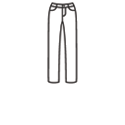 JeansCan be worn 3 times before washing.
Dress Clothes
 SuitTypically can be worn several times during normal use before dry cleaning (3-4 times for wool and 4-5 times for synthetics).
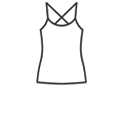 CamisolesWash after each wear.
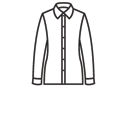 Dress ShirtsCan be worn a few times before washing unless soiled by stains, dirt or sweat.
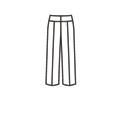 Slacks and SkirtsCan be worn a few times before washing unless soiled by stains, dirt or sweat.
 TightsShould be washed after every wear to get rid of the baggy knees.
Other
 Bathing SuitWash after each wear.
 LeggingsShould be washed after every wear to get rid of the baggy knees.
 CoatWash once or twice per season.
Bed & Bath
Linens
 Bed SheetsWash every two weeks, more often if you sweat a lot at night.
 Bath TowelsTowels should be hung to dry between uses and washed after 3-5 normal uses.
 Blankets and BedspreadsWash monthly.
Exceptions
Other
 WhitesWhites are prone to discoloration and should be cleaned after every wear.
 SilksSilks are prone to discoloration and should be cleaned after every wear.
 Stained ClothesWash, spot clean or dry clean as soon as possible.