
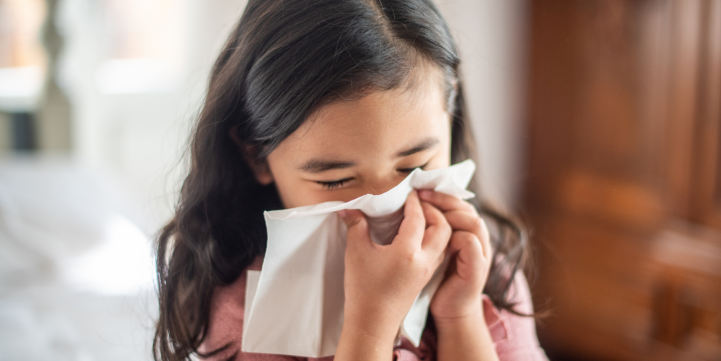
The most common indoor allergens that trigger asthma and allergy symptoms are dust mites, pet dander, mold and mildew, pollen, smoke, and cockroaches. Regular cleaning is one of the most effective and least expensive ways to reduce exposure to all five, and health professionals recommend it as a first step in managing symptoms at home.
If you or your child have allergies or asthma, certain things can bring on, or "trigger," an asthma flare or episode. Some people react to only one allergen, such as dust mites; others react to several.
The Most Common Indoor Allergens and Asthma Triggers:
- Pollen
- Mold & mildew
- Animal dander
- Dust mites
- Cockroaches
- Tobacco smoke
Health professionals agree that controlling allergens in the home can significantly reduce symptoms for the millions of people who suffer from allergies or asthma. ACI has developed asthma education materials tailored to different audiences to help families manage their home environment (see Resources, below).
Cleaning To Control Allergens
Cleaning your home is one of the easiest and most affordable ways to reduce allergy and asthma flares. Left unaddressed, dust, mildew, and other allergens build up over time and make symptoms worse. The tips below can help you build a household routine that controls the most common triggers.
Home Cleaning for Allergies Tips
- Get the whole family involved. A supportive household makes it easier — and can even be fun — to stay on top of allergy triggers together.
- Assign the person with asthma tasks that keep them away from dust, such as dishwashing or tidying up before clutter collects dust.
- When dusting, sweeping, or using cleaning products that could trigger symptoms, make sure the person with asthma is out of the room.
- Read and follow label directions on cleaning products, including the correct amount to use, how to use it, and any special safety advice.
- If using spray products, spray onto a cloth or sponge first rather than directly onto the surface.
- Clean in a well-ventilated area: open a window or door, or turn on an exhaust fan, and let the room air out after you finish.
- Consider unscented or perfume-free cleaning products if scents trigger symptoms.
- Try different products to find what works best for your household.
Building an Allergen-Control Plan
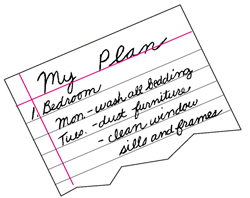
1. Work with your Doctor
Work with your regular doctor or clinic to figure out which allergens affect your or your child the most. If asthma flares happen often, your doctor may suggest changes to your household furnishings, such as removing carpeting from a sleeping area.
2. Concentrate on Controlling Those Allergens
Once you know which allergens are the biggest trigger, focus your cleaning routine there first rather than trying to address everything at once.
3. Start With the Easiest, Least Expensive Steps
Set up your cleaning plan one room at a time, starting with where the allergy-sufferer sleeps. For example:
- Wash bedding and curtains
- Dust and vacuum
- Clean window sills and frames
- Wet-mop floors
Additional Tips:
- Ask your doctor or clinic for asthma education information
- Join an asthma support group
- Keep an asthma diary
Clutter Control
Reducing clutter saves time and reduces the surfaces where dust and allergens can collect.
Cluttered | Clean |
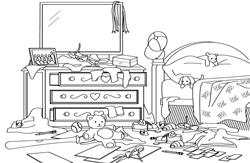
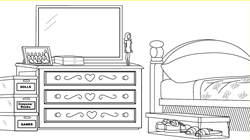
1. Sort It Out
- Start with a bedroom and take everything out of the closet, dressers, shelves, and under the bed.
- Sort items into piles: clothes, shoes, toys, books, school supplies, sports equipment, etc.
- Work with your children to choose the toys and belongings that matter most, and set aside what they no longer use.
- Donate or sell old toys, books, and clothes to a friend, community center, or local classroom.
2. Give It a Home
- Keep similar items together so children know where to find things — for example, school supplies near the homework table, videos by the player, toys in the play area.
- Put children's things where they're easy for them to reach.
3. Cover It
- Store items inside drawers, closets, covered boxes, or plastic containers so dust can't collect on them. Label containers to show where things belong — have your children write or draw the labels.
4. Use It
- Review the "clutter plan" with your children regularly. Remind them that controlling clutter may help reduce asthma attacks. Try having them put one thing away before getting out something else, or schedule five minutes of clean-up time every night.
Cleaning Throughout the Home
Bedroom
Controlling Dust Mites
Dust mites are one of the most common triggers for people with allergies and asthma. Every home has them — they're too small to see, and they feed on invisible skin flakes found in pillows, bedding, upholstery, and carpeting. The formula is simple: warmth + moisture + skin flakes = dust mites. You can control them by keeping bedding clean and reducing dust buildup.
1. Use Dust Mite-Proof Covers
Use special dust mite-proof ("allergen-impermeable") pillow and mattress covers. Wipe them off weekly with a clean, damp cloth. If you don't use covers, wash pillows at least four times a year and replace them every year.
2. Wash Bedding Regularly
- Wash sheets weekly.
- Wash blankets and bedspreads monthly.
3. Clean Window Coverings
Use smooth blinds or washable curtains instead of heavy fabric drapes. Wipe blinds with a clean, damp cloth weekly, and wash curtains monthly.
4. Dust and Vacuum Weekly
Dust furniture weekly using a dusting product or a special cloth designed to attract dust — a dry cloth just spreads dust around instead of removing it. Vacuum carpets and wet-mop hard floors weekly.
5. Avoid Carpet Where Possible
- Use vinyl, linoleum, or wood flooring with washable area rugs instead of wall-to-wall carpet in bedrooms. Wash area rugs weekly.
- Keep closet doors closed.
- Set up a play area in another room for stuffed animals and other toys.
Washing Bedding to Control Dust Mites
When
Weekly
Wash
Use a regular wash cycle and warm or hot water. Washing removes dust mite allergens and some dust mites.
Dry
When possible, dry in a hot dryer to kill dust mites. Hanging sheets outside to dry can attract dust and pollen.
When
At least 4 times a year (unless you use dust mite proof covers)
Wash
Wash two pillows at a time on a gentle cycle.
Dry
Dry pillows in the dryer.
When
At Least Monthly
Wash
Use a gentle wash cycle. Take to a laundromat if the load is too big for your washer at home.
Dry
Dry in the dryer. Stop a few times to fluff. Add a wet towel to help them dry evenly.
Bathroom
Controlling Mold and Mildew
Mold and mildew are tiny organisms that grow wherever it's warm and damp — like in the shower. The formula: warmth + moisture = mold and mildew. They release invisible spores into the air, and those floating spores can trigger allergy and asthma episodes. Wherever the spores land, new mold and mildew can start growing.
Where Mold and Mildew Often Hide
- Where the floor meets the tub or shower
- Under the sink
- On window frames and sills
Mold/mildew also grow on "wet" appliances — like air conditioners, dehumidifiers (which remove moisture from the air) and humidifiers which add moisture to the air). Follow the manufacturer’s instructions to change filters and clean these appliances regularly.
Kitchen
Controlling Cockroaches
Cockroaches are attracted to food and moisture, including crumbs, cooking grease and standing water. The formula: food + water = cockroaches. It's important to remove or tightly cover all food and water, especially at night, when cockroaches are most active.
Cleaning the Kitchen
- Clean food and grease from stove daily. If possible, clean under and behind the stove.
- Clean up food spills, crumbs and liquids on countertops and floors immediately.
- Empty trash daily. Clean and disinfect garbage cans and recycling bins weekly and let them dry out before adding a new bag.
- Keep the cabinet under the sink dry and clean. Have leaks repaired.
- Clean the outside and inside of the refrigerator regularly; vacuum underneath it if possible.
- Wash and dry dishes as soon as possible after eating.
- Wash floors at least weekly.
- Throw away or recycle grocery bags— cockroaches like to live in them.
Cockroach Prevention Tactics
- Keep food in closed containers.
- Don't leave water sitting in open containers.
- Cover any food, including pet food, left out overnight.
- Use baits or gel products to eliminate cockroaches, following the product instructions.
- Seal cracks around walls or cabinets where cockroaches can enter.
Refrigerator: Deep Cleaning Steps
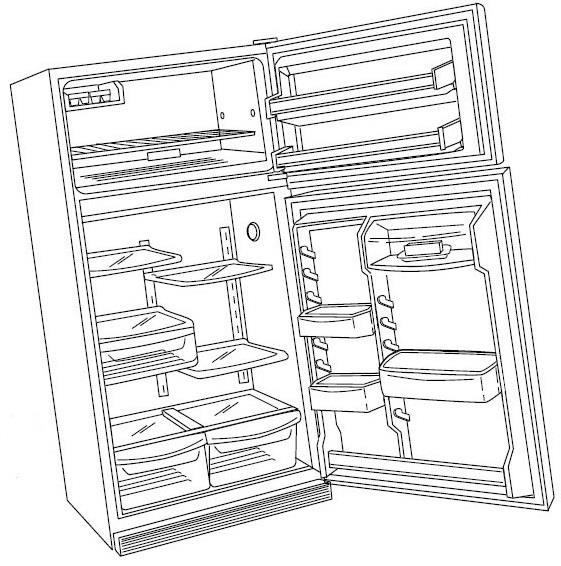
Cockroaches are often found around the refrigerator because of food spills and dampness — the same conditions that grow mold and mildew. Keeping your refrigerator clean is an important part of controlling allergens in the kitchen.
If you have the owner's manual, follow the cleaning instructions. If you don't have the manual, use these steps:
- Turn controls off and unplug the refrigerator.
- Remove the grille and clean it using a hand dishwashing detergent or an all-purpose cleaner. You may need maintenance staff to help with this step.
- Remove the drip pan, then clean and disinfect it.
- Clean mildew from the rubber stripping around the refrigerator door using a solution of 3/4 cup bleach with 1 gallon water (or 3 tablespoons bleach and 1 quart water).
- Clean walls and shelves with an all-purpose cleaner or a solution of baking soda and water.
- Wipe up any water in the inside drawers, and clean them regularly.
- Clean up spills immediately, especially raw meat, poultry and fish juices, using a disinfectant (antibacterial) cleaner.
Additional Resources
- ACI Product Certification Guide
- ACI Levels of Clean
- ACI Cleaning to Control Asthma Booklet
- ACI Asthma Fact Sheet
- Allergy & Asthma Network Mothers of Asthmatics
- Centers for Disease Control and Prevention: Asthma Facts and Data
- D.C. Asthma Coalition
- American College of Allergy, Asthma, and Immunology
- Environmental Protection Agency (EPA) Asthma Resources
FAQ
Cleaning products do not cause allergies in the same way pollen, dust mites or pet dander can, but some people with asthma or allergies may be sensitive to some products. Always read and follow the product label, use products in a well-ventilated area, and consider unscented or fragrance-free options if scents are a trigger.
There is no single “best” product for everyone with asthma because triggers vary from person to person. Choose products that work for your household, follow label directions carefully and avoid mixing products. If a product seems to trigger symptoms, stop using it and try another alternative.
A regular routine is more effective than occasional deep cleaning. Focus first on the bedroom, where people spend many hours each day: wash bedding weekly, dust and vacuum regularly, wet-mop hard floors, and reduce clutter where dust can collect. Kitchens and bathrooms should also be cleaned routinely to control crumbs, moisture, mold and pests.
Start with the areas where the person with asthma sleeps and spends the most time. Bedding, pillows, mattresses, carpets, curtains, upholstered furniture and stuffed toys can collect dust mites and other allergens. Once those areas are under control, move room by room to address moisture in bathrooms, food crumbs in kitchens and clutter throughout the home.
It depends on the tasks and specific triggers. When cleaning, people with asthma should take precautions to avoid their triggers. Whenever possible, tasks that may trigger a reaction should be delegated to someone without asthma to reduce risk.
Yes. Dust can collect pollen, pet dander, dust mite particles and other allergens that may trigger allergy or asthma symptoms. Dusting regularly with a damp cloth helps remove dust instead of spreading it into the air. Follow by vacuuming carpets or wet-mopping hard floors to pick up what settles.
Mold and mildew grow where moisture collects, so the best prevention is keeping areas clean and dry. Use bathroom and kitchen exhaust fans, wipe down wet surfaces, wash bathmats and shower curtains regularly, and repair leaks promptly. Pay attention to damp areas such as under sinks and around tubs and showers.
Updated: August 7, 2026