Handwashing is one of the most effective things you can do to protect your health and the health of those around you. All soap helps — but in some situations, antibacterial soap can go a step further. Understand its benefits, how it works, and when to use it.
What is Antibacterial Soap?
Antibacterial soap is a hand soap that contains one or more active ingredient(s) designed to kill bacteria on your hands, rather than simply washing them away like plain soap. While all soaps help remove germs through the combined action of lathering, scrubbing, and rinsing, antibacterial soaps include ingredients that kill bacteria that may remain on your hands during the washing process.
The active ingredients used in today's antibacterial soaps — benzalkonium chloride (BAC), benzethonium chloride (BZT), and chloroxylenol (PCMX) — have been used safely in consumer and healthcare products for decades and are backed by a growing body of scientific research.
Frequently Asked Questions
How Antibacterial Soap Works
What's the difference between antibacterial soap and plain soap? Antibacterial soap both removes and kills bacteria on hands, while plain soap primarily removes them through washing and rinsing. Plain soap works by lifting dirt, oils, and germs from your skin so they rinse away. Antibacterial soap works the same way, but also contains active ingredients that kill bacteria during the washing process. For most everyday situations, plain soap is appropriate.
What are the active ingredients in antibacterial soap? The most common active ingredient in today's antibacterial soaps is benzalkonium chloride (BAC), with benzethonium chloride (BZT) and chloroxylenol (PCMX) also used. These antimicrobial compounds work by disrupting bacterial cell membranes, causing bacteria to break down and become inactive. The same types of ingredients are used in antibacterial products found in hospitals and other healthcare settings.
Is antibacterial soap better than regular soap? For healthy individuals with strong immune systems, plain soap and water used with proper technique is effective for everyday handwashing. In specific situations, antibacterial soap provides an added layer of protection by killing bacteria during washing. The right choice depends on the circumstances.
When to Use Antibacterial Soap
When does it make sense to choose antibacterial soap? Antibacterial soap is the right choice in situations where killing bacteria — not just removing them — is especially important:
- When interacting with someone in your home who is immunocompromised — including people managing chronic illness, recovering from surgery or injury, or undergoing medical treatment
- When home caregiving is involved — as more healthcare happens in homes rather than clinical settings, the products used in those clinical settings become relevant at home too
- During food preparation and processing — especially in food service facilities and when handling raw meat, poultry, or seafood
Why is antibacterial soap used in hospitals and healthcare settings? Antibacterial soap is used in hospitals and healthcare settings because killing bacteria on hands — not just removing them — is critical when patients are vulnerable. As more care moves into the home (post-surgical recovery, elderly care, chronic illness management), antibacterial soap plays a similar protective role for households managing those situations.
Where else are antibacterial soaps used? Antibacterial soaps are used safely and effectively in many institutional settings such as restaurants, child care facilities, airports, offices, locker rooms, cruise ships, shopping malls and dormitories. Their use supports overall public health efforts.
Who benefits most from antibacterial soap? Antibacterial soap is especially valuable for people whose circumstances make extra protection against bacteria a priority. This includes people who are immunocompromised or caring for someone who is, households where someone is recovering from surgery or illness, caregivers providing in-home medical or personal care, and people who work in food preparation or other high-contact environments.
Safety and Common Questions
Is antibacterial soap safe? Antibacterial soap is safe, with a long history of use in consumer and healthcare settings backed by decades of scientific research. The active ingredients in today's formulations, such as benzalkonium chloride, have been extensively studied for safety and effectiveness. The FDA continues to review the research on these ingredients, and that body of evidence continues to grow. Millions of consumers use these products safely every day.
What does the FDA have to do with antibacterial soap? Antibacterial hand soaps are regulated by the FDA as over-the-counter (OTC) drugs, which means they must meet regulatory standards for safety and effectiveness. The FDA has established requirements for the research needed to formally classify antibacterial ingredients in hand hygiene, and ACI member manufacturers are actively conducting and submitting that research — including efficacy data demonstrating that these ingredients kill a broad spectrum of bacteria. These products continue to be available to consumers while that research progresses.
Does antibacterial soap cause antibiotic resistance? No. The active ingredients in antibacterial soap are not antibiotics and do not contribute to antibiotic resistance. Antibiotics work through specific targeted molecular mechanisms to kill bacteria; the antimicrobial ingredients in antibacterial soap work through entirely different, less specific mechanisms such as disrupting bacterial cell membranes. Understanding that distinction is important for an accurate picture of how each works.
Does antibacterial soap lead to "superbugs?" No. The body of scientific evidence currently available does not indicate that the use of antibacterial products gives rise to superbugs. Learn more.
Is antibacterial soap the same as hand sanitizer? Antibacterial soap and hand sanitizer are different products that work in different ways — soap (also known as “hand wash”) uses water to physically remove and kill bacteria, while hand sanitizer (also known “hand rub”) reduces microbes without water. Soap and water are generally the preferred choice when available, particularly when hands are visibly dirty; hand sanitizer is a practical option when it isn't.
Handwashing: Getting It Right
Why is handwashing so important for preventing illness? Handwashing is one of the most effective ways to prevent the spread of illness because hands are the primary route by which germs transfer from surfaces and other people to the mouth, nose, and eyes. Regular handwashing removes bacteria and other microbes before they can cause harm, making it a cornerstone of everyday hygiene.
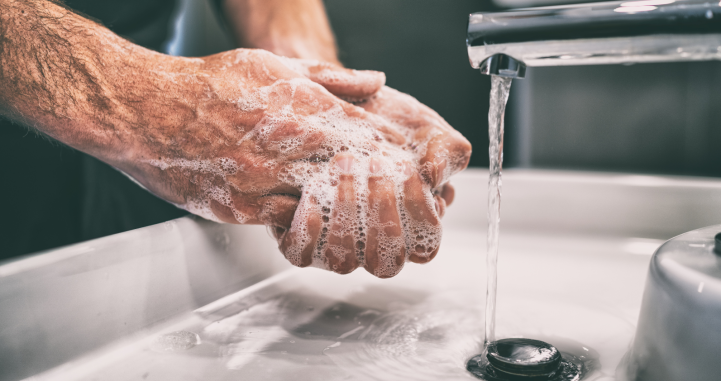
What is the correct handwashing technique? Proper handwashing technique significantly increases effectiveness and involves five key steps, regardless of whether you use antibacterial or regular soap:
- Wet hands with clean running water
- Apply soap and lather well, covering all surfaces — backs of hands, between fingers, and under nails
- Scrub for at least 20 seconds
- Rinse thoroughly under running water
- Dry with a clean towel or air dry
American Cleaning Institute members continue to conduct research demonstrating the efficacy of antibacterial soaps. Learn more about these efforts.
Last Updated: June 17, 2026