The Cleaning Products Industry is Born
1926
The post-World War I economic boom and the early spread of electricity across North America saw endless innovations in appliances and personal care products. The decades leading up to this moment brought an understanding of germ theory and the role that sanitation and personal hygiene had in preventing the spread of disease. By 1926, bathing was an essential part of everyday life.
With so many products for consumers to choose from, soap producers came together to form the Association of American Soap and Glycerine Producers. The Association not only helped to differentiate their products in a flooded market but gained public service acclaim for providing expert hygiene advice.
1927
The Association creates the Cleanliness Institute as a teaching tool for consumers, providing hygiene guidance to schools and sharing cleaning advice in the media.

Cleaning Through Hardship
1930
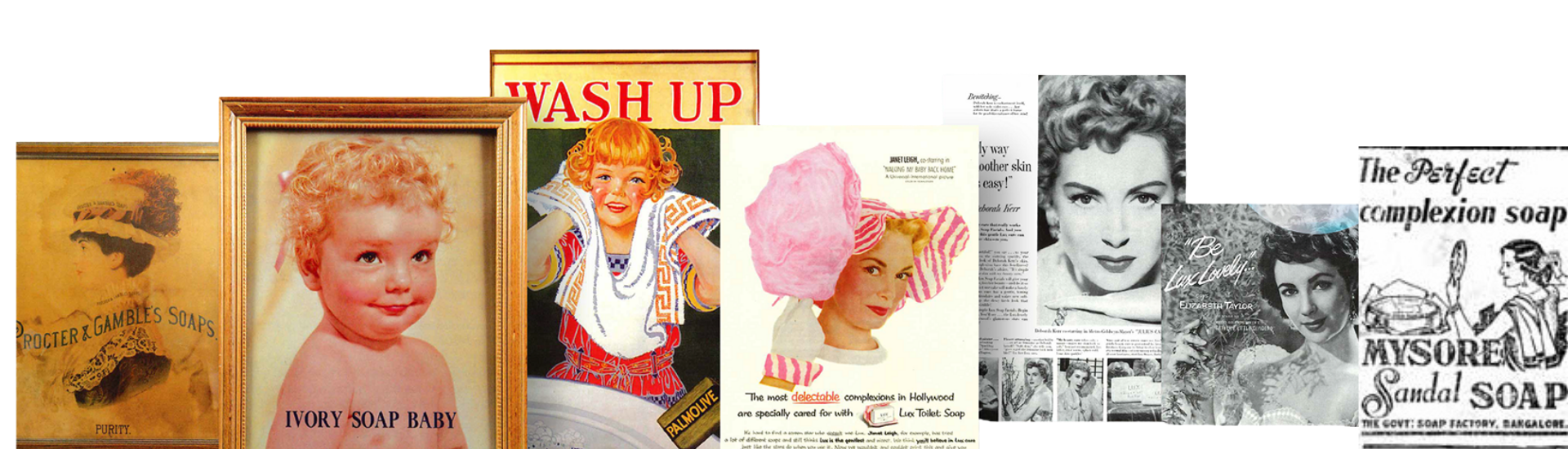
Soap remained an affordable staple during the Great Depression, providing a semblance of normalcy for families struggling to survive.
Soap manufacturers began using radio show sponsorships to promote products, advertising in dramas to reach more women. This tactic helped popularize the term soap opera.
1933
The first synthetic detergent hit the U.S. market as producers worked to advance cleaning product performance.
Meeting Wartime Needs
1942
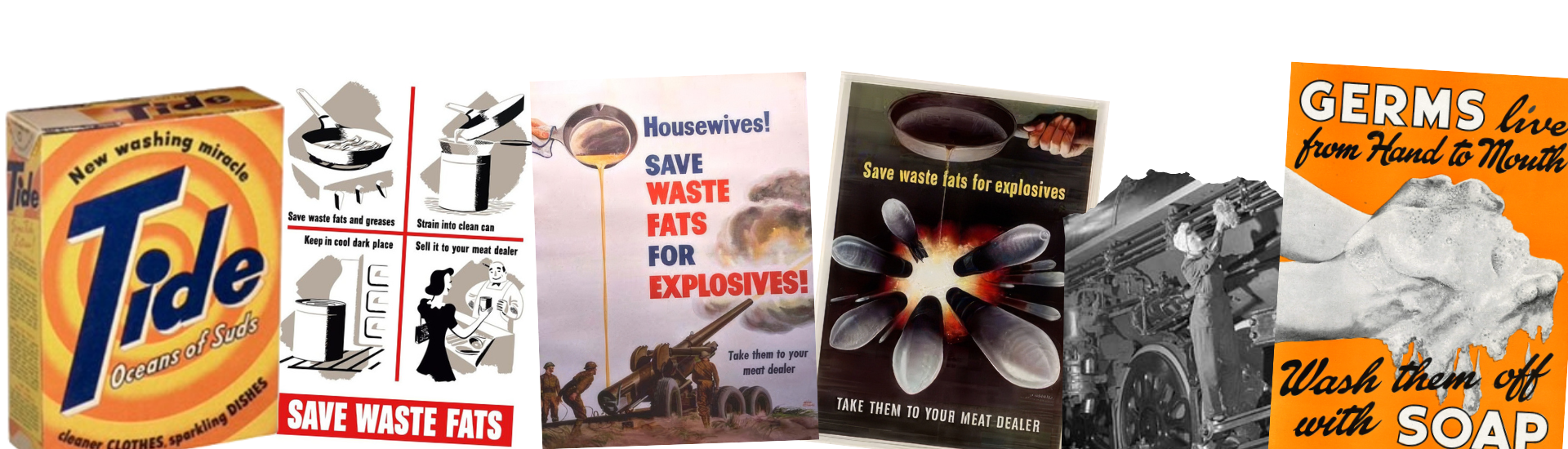
After the U.S. entered World War II, the Association of American Soap and Glycerine Producers offered its support by managing the Fat Salvage Campaign. The campaign encouraged Americans to save rendered fat from cooking and sell it to their local meat market for use in the war, resulting in over 900 million pounds of reclaimed fat.
1943
Government-imposed rationing called for adjusted soap formulations, which replaced natural fats and oils with rosin to stretch supply.
1946
Procter & Gamble launched Tide®, dubbed as the Washday Miracle. The powdered detergent was formulated as a heavy-duty cleaner meant to target dirt and tough stains.
Advancements in Formulas and Packaging
1950
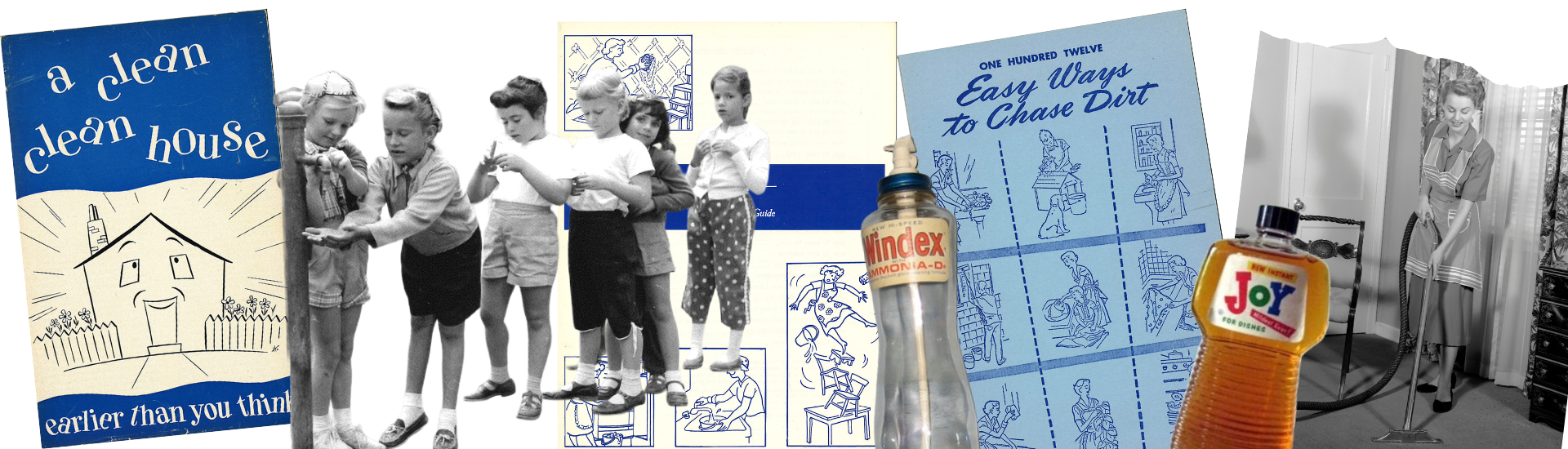
Liquid dish soaps begin to appear, marking a shift from general-use soap to purpose-driven cleaning products. In addition, building materials like formica countertops, vinyl and linoleum floors, fiberglass tubs and showers, wall-to-wall carpeting and chrome and aluminum appliances foster a need for use-specific cleaners to be added to store shelves.
1956
Mass-produced valves from World War II led to cleaning products packaged in easy-to-use spray bottles.
Time for a Rebrand
1960
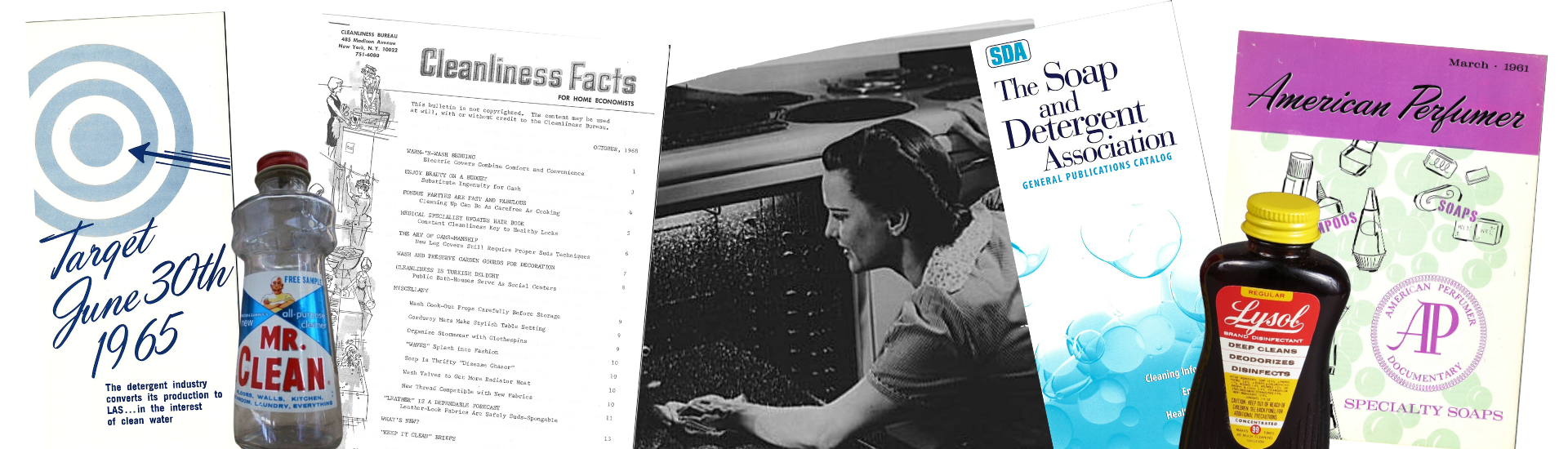
The Association of American Soap and Glycerine Producers rebrands as the Soap and Detergent Association to reflect the evolution of cleaning products from strictly soap-based to include those based on synthetic surface active agents.
1965
In response to environmental concerns about the popular surfactant alkylbenzene sulfonate (ABS), the cleaning products industry shifted to linear alkylbenzene sulfonate (LAS), a biodegradable alternative that is still used in detergents today.
Innovations in Cleaning
1970
The Environmental Protection Agency is founded to address rising concerns about pollution and environmental degradation, creating opportunities for accelerated reformulation in the industry and the production of more sustainable products.
1972
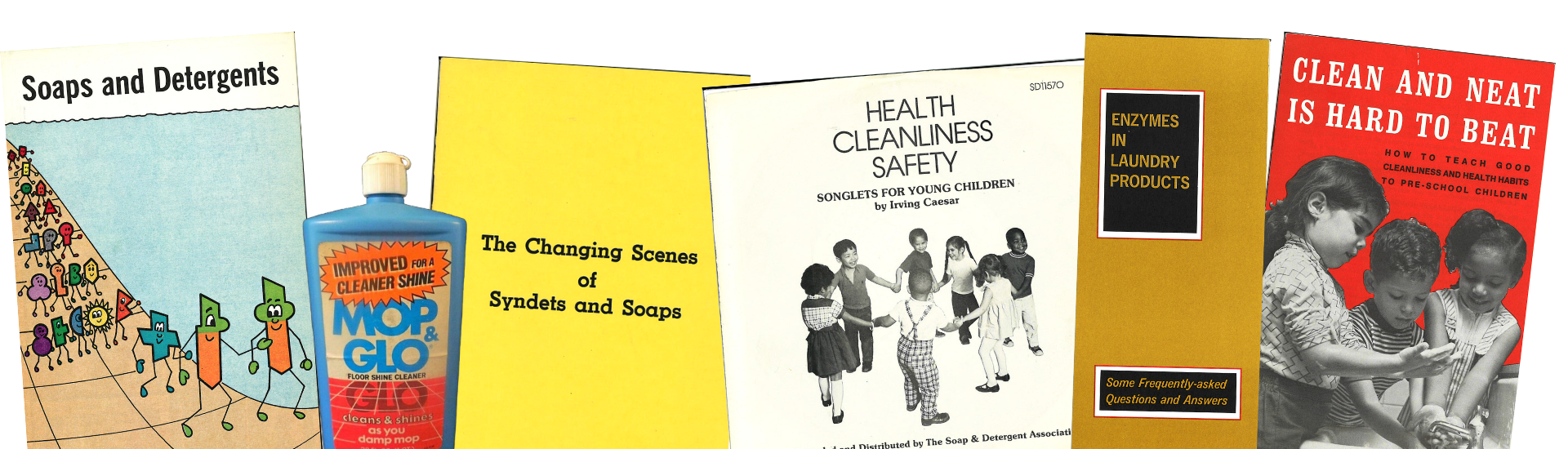
Enzyme detergents begin to become widely adopted as producers continue to reformulate and innovate for better stain removal.
1979
The end of the decade saw the rise and adoption of phenol-based cleaners for consumer home products, once recognized by the manufacturing industry as “hospital-grade” cleaners, they were fully accepted into people’s homes.
Efficient and Effective New Cleaning Methods
1981-1983
Multi-surface cleaners become a common household staple, popularizing spray and wipe convenience as part of the weekly cleaning routine.
1986
Concentrated laundry detergents become more mainstream as surfactants improve the effectiveness of cold water washing.
1989
Consumer demands and awareness of health hazards presented an opportunity to create gentler, more fabric safe bleach alternatives, with the expansion of non-chlorine bleach and safer disinfectants by the end of the decade.
Sustainability Has Entered the Chat
1990-1993
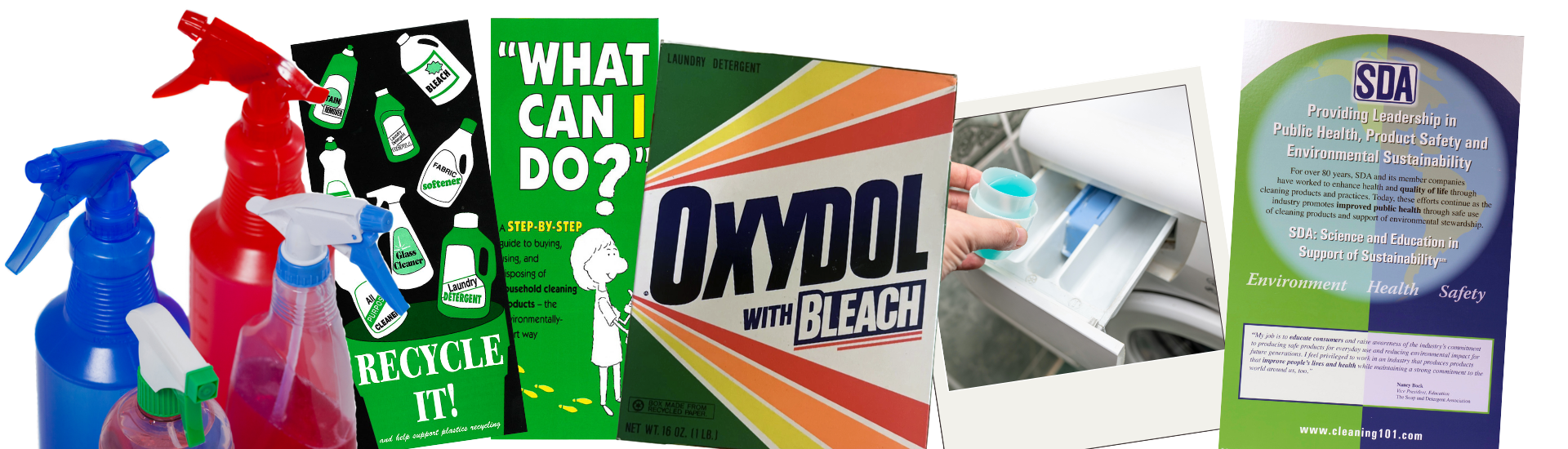
The eco-friendly movement sweeps the U.S., marking a shift toward sustainability and more plant-based formulations, including biodegradable and low toxicity cleaners.
1995
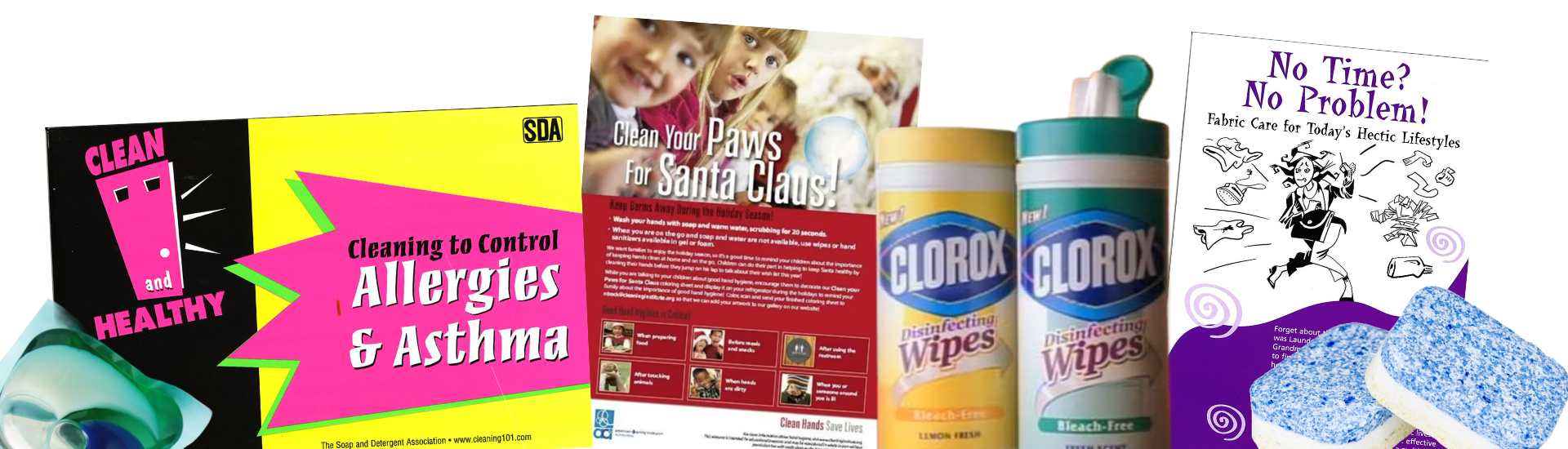
With convenience-focused consumers, pre-measured laundry tablets or pods are introduced in Europe and later in the U.S.
1998
Clorox™ Disinfecting Wipes officially launch, becoming a defining 1990s innovation.
Green Is Good
2002-2003
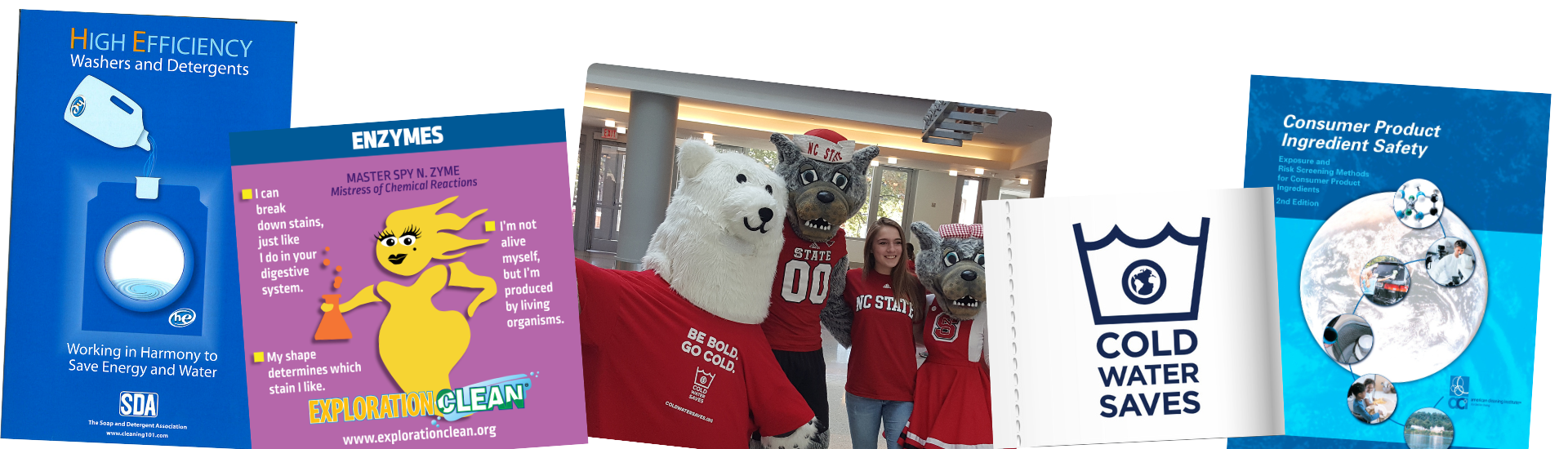
Cold-water detergents were developed as energy-saving products. Using improved enzyme technology, they made cleaning at lower temperatures more effective. With cold-water washing, the most energy-intensive part of a laundry cycle, heating, was removed.
2005-2007
The cleaning products industry adapts to new sustainability programs and green certifications emphasizing the importance of green cleaning practices and reshaping commercial cleaning. On the consumer side, plant-based cleaners offered additional effective and eco-friendly options.
New Name, Same Game: ACI
2010
The Soap and Detergent Association rebranded as the American Cleaning Institute, with a vision to enhance health and the quality of life through sustainable cleaning products and practices.
2010-2019
Impacts from the Great Recession rippled into the 2010s, with cost pressures and supply chain challenges leading to more economical, concentrated and value-driven cleaning products.
2011
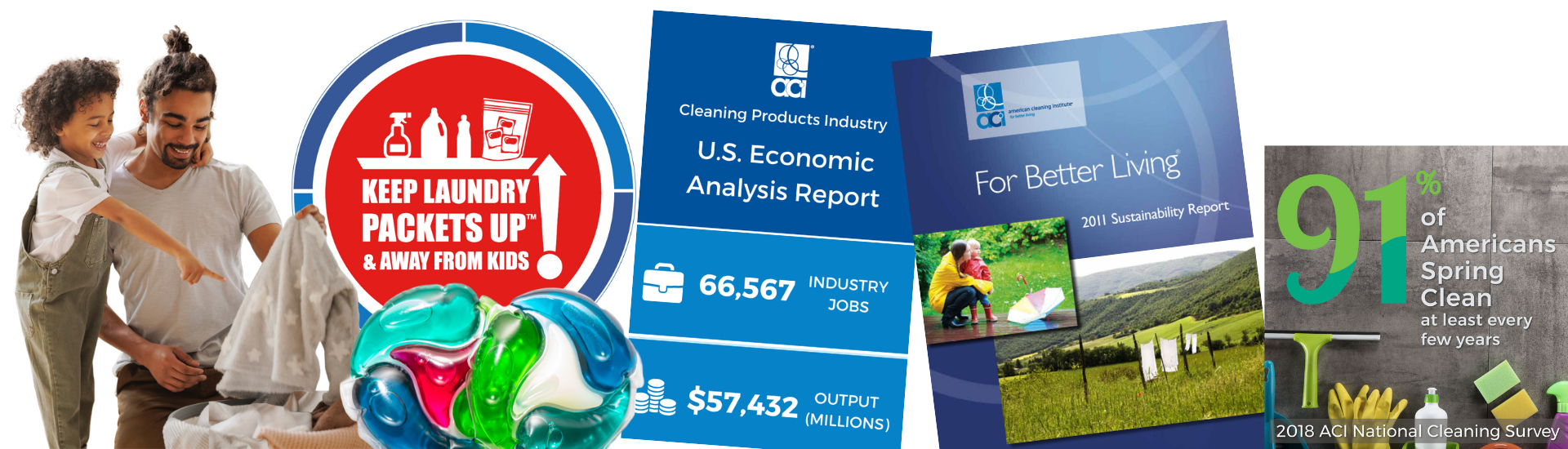
Cleaning product manufactures push for child-safe cleaners and modified formulas and packaging to protect against chemical exposure risks for children.
COVID-19 and Beyond
2020
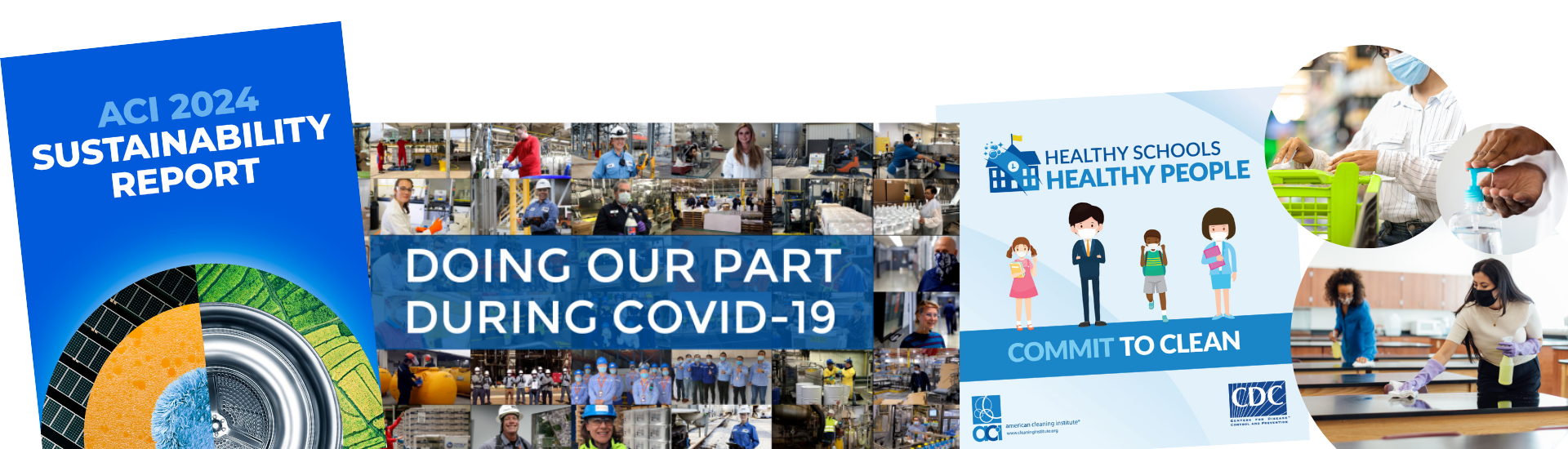
COVID-19 becomes the most widespread pandemic in the last century, putting cleaning and disinfecting products top of mind for consumers. Pandemic-driven disinfectants offered faster-acting, broad-spectrum formulas effective against viruses (including SARS-CoV-2), often with shorter required contact times, and many were designed for high-touch surfaces.
2020-2022
Sustainable packaging reduces the industry’s plastic waste and carbon footprint by using recyclable, compostable, or reduced-material designs.
2026
It’s the American Cleaning Institute’s 100th anniversary, celebrating a century of cleaning product innovation and advancing the health and quality of life of people and protecting our planet.